Checked & unbalanced
10th December, 2021 I’m often educated by my law trained business partner as to…

Do I Need to File a Tax Return?
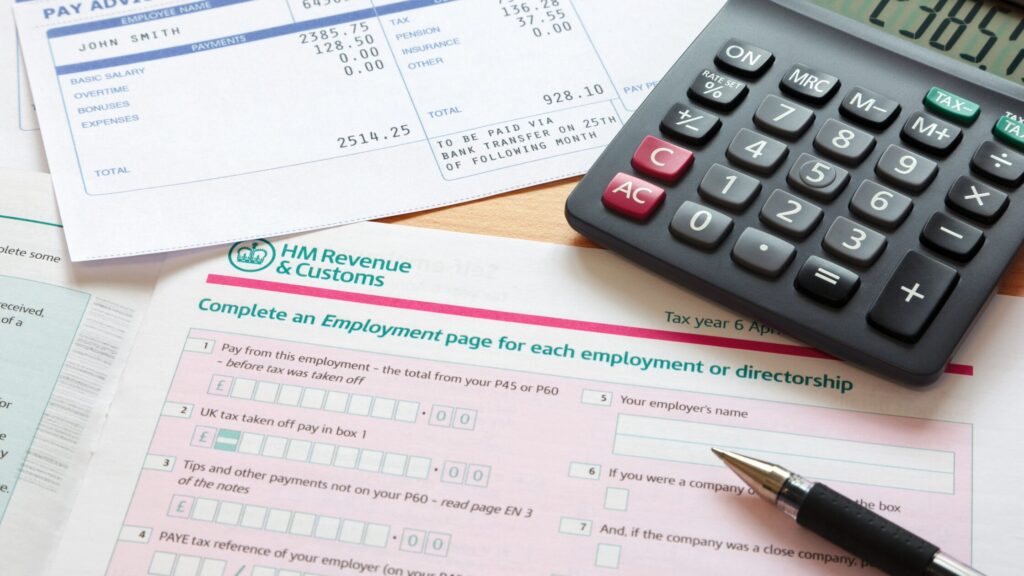
If you earn money outside of a regular PAYE salary, you may need to complete a Self Assessment tax return (SATR) to report this income to HMRC. For many people, especially first-time filers, the process of reporting can feel confusing when navigating deadlines and compliance.
In this blog, we explain what Self Assessment is, who needs to file, and how to know if it applies to you.
Self Assessment is the system HMRC uses to collect Income Tax, primarily from self employed individuals. Rather than tax being deducted at source through PAYE (which is handled by your employer), being self employed means that you are responsible for managing your own tax affairs. This includes:
You do this by completing a SATR, which you usually submit online through your Self Assessment account.
You may need to file a tax return if during the tax year, you fall under either one or more of the following:
If you earned more than £1,000 from self-employment (before expenses), you must register for Self Assessment and file a return.
If you earned more than £1,000 from online selling, gig work, consulting, content creation, or any additional income outside your main job, you may need to file a return.
If you rent out property, even just a room or a second property, you usually need to declare this income on your tax return.
This can include income from tips or commission, as well as foreign or investment income that you haven’t paid tax on at source.
You may need to file a tax return if you or your partner has an adjusted net income of over £60,000 and you receive Child Benefit. This is due to the High-Income Child Benefit Charge (HICBC).
It is important to note that HMRC does not automatically register everyone for self assessment. Therefore, it is your responsibility to check whether Self Assessment applies to you, register and report any earnings to HMRC by the deadlines.
If you are unsure, speaking to an accountant can help you avoid mistakes, missed deadlines, or penalties.
HMRC requires you to submit your online SATR and pay any tax owed for the previous tax year by 31 January. Missing this deadline can result in an automatic £100 penalty, even if you do not owe any tax. Failing to submit a tax return when required can lead to late filing penalties and interest on unpaid tax
Whether you’re filing for the first time or want peace of mind that everything is done correctly, professional support makes the process simple and stress-free.
We can confirm whether you need to file, prepare and submit your tax return and ensure you are claiming all allowable expenses by the January deadline.

 Article
10th December, 2021 I’m often educated by my law trained business partner as to…
 Article
2nd July, 2021 Crypto Tax- What can we learn from the US? Introduction The…
 Article
Making Tax Digital (MTD): What It Means for Small Businesses and the Self-Employed If…
 Article
As the end of the tax year approaches, many individuals and business owners begin…
 Article
UK Recruiters Expanding to the US Over the past few years, a noticeable shift…
We’d love to hear from you!
Whether you simply have a quick question, or were seeking a more formal conversation to discuss your tax needs, drop your details here and we will be in touch! Alternatively, you can contact us on +44 (0)20 3468 0000.