Checked & unbalanced
10th December, 2021 I’m often educated by my law trained business partner as to…

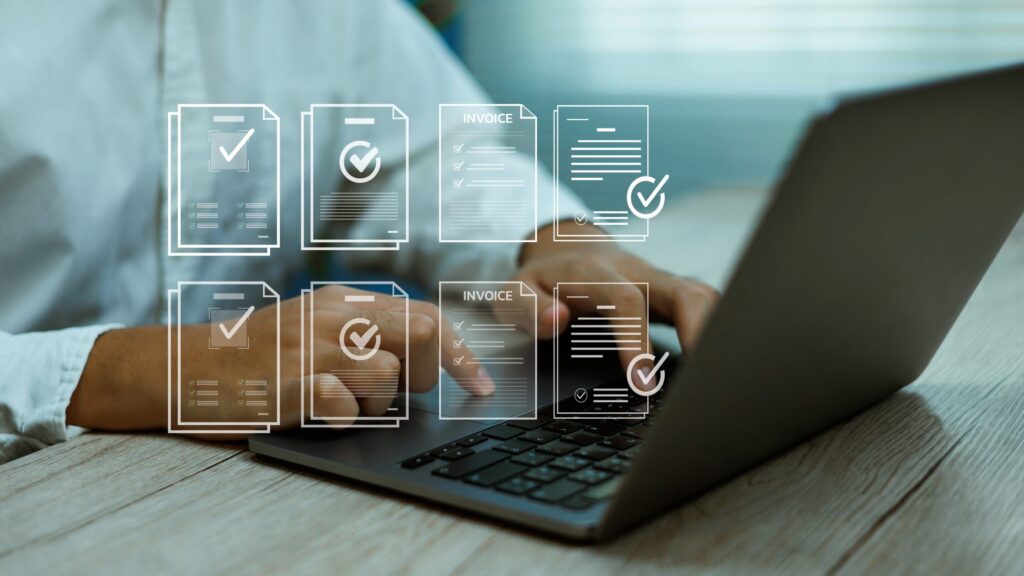
If you run a small business or work for yourself, you’ve probably heard the phrase Making Tax Digital often referred to as MTD, mentioned increasingly more over the past 12 months. But what does it mean and what do you need to do to stay compliant?
Below, we explain what MTD is, who it affects, and how small businesses and the self-employed can prepare for MTD.
Making Tax Digital is a UK government initiative designed to modernise the tax system by moving it online. The aim is to make it easier for individuals and businesses to get their tax right by:
MTD has already been introduced for VAT-registered businesses, and the next major phase, MTD for Income Tax, is just around the corner.
MTD for Income Tax is scheduled to become mandatory from 6 April 2026 for Self-employed individuals and Landlords earning over £50,000 per year.
From April 2027, the rules are expected to extend to those earning over £30,000 per year.
You’ll be affected by Making Tax Digital for Income Tax if you:
Limited companies are not yet included under MTD for Income Tax, but further changes are expected in the future.
Below are the key differences between the current system and MTD for small businesses and the self-employed.
You’ll need to keep your income and expenses in a digital format using MTD-compatible accounting software. Paper records and spreadsheets alone will no longer be enough.
Instead of submitting one tax return per year, you’ll send quarterly updates to HMRC throughout the year, summarising your income and expenses.
At the end of the tax year, you’ll confirm your final figures and make any necessary adjustments.
You’ll submit a final declaration to confirm your total taxable income, replacing the traditional Self-Assessment return.
Making Tax Digital compliance isn’t just a regulatory issue, it will change how you manage your finances day-to-day. Like anything, these come with both benefits and certain challenges. Some of the potential benefits of MTD include:
In contrast, the potential challenges MTD can bring include:
Even though MTD for Income Tax isn’t mandatory yet, there are simple steps you can take now in preparation.
Are you still using paper records or spreadsheets? If so, it may be time to switch to digital bookkeeping software.
Not all software is HMRC-approved. Look for tools that suit your business size, industry, and level of experience.
An accountant can help you set up your MTD-compliant software and train you on digital record-keeping. Furthermore, instructing an accountant helps ensure all quarterly MTD submissions are handled correctly with full compliance with HMRC rules.
Our accountancy team are here to help small businesses, self-employed individuals, and landlords prepare for Making Tax Digital.
Whether you need help regarding software, setting up your records, or managing your MTD submissions, our team is here to make the process simple.
Making Tax Digital for small businesses and the self-employed is a major shift in how tax reporting works, but it doesn’t have to be overwhelming.
With the right preparation and professional support, you can stay compliant, reduce stress, and gain better control over your finances.

 Article
10th December, 2021 I’m often educated by my law trained business partner as to…
 Article
2nd July, 2021 Crypto Tax- What can we learn from the US? Introduction The…
 Article
As the end of the tax year approaches, many individuals and business owners begin…
 Article
UK Recruiters Expanding to the US Over the past few years, a noticeable shift…
 Article
Loan Demands: What They Mean and What to Do Next Key considerations and early…
We’d love to hear from you!
Whether you simply have a quick question, or were seeking a more formal conversation to discuss your tax needs, drop your details here and we will be in touch! Alternatively, you can contact us on +44 (0)20 3468 0000.