Checked & unbalanced
10th December, 2021 I’m often educated by my law trained business partner as to…

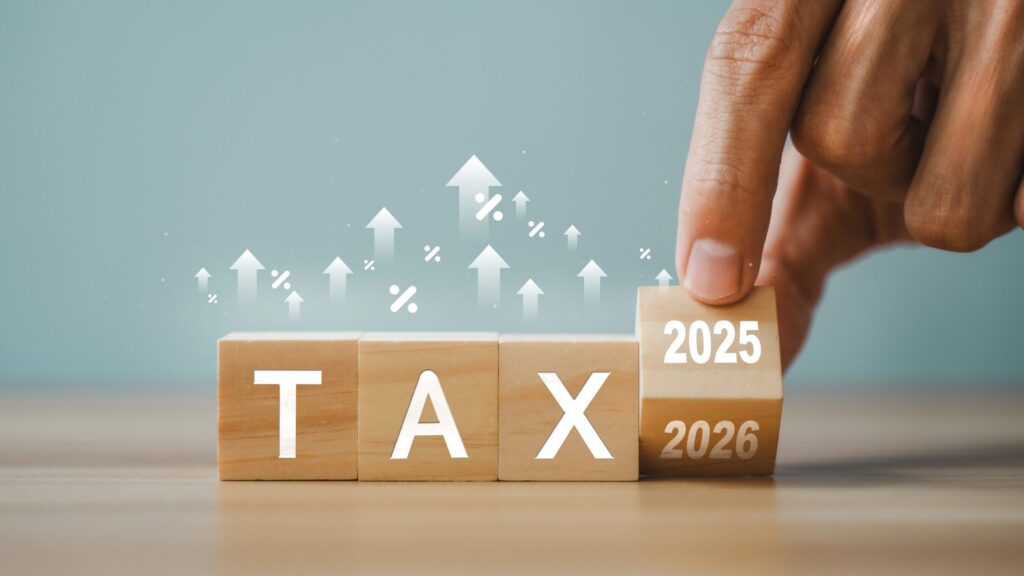
As the end of the tax year approaches, many individuals and business owners begin thinking about what they should do before 5 April. Unfortunately, this often happens too late.
Each year, we see the same common and often costly, year-end tax planning mistakes repeated time again. Overall, tax-saving opportunities are achievable, but in most circumstances, these aren’t reviewed early enough or are misunderstood. The result is missed allowances, unnecessary tax, and rushed decisions that could have been avoided with better planning.
Here are some of the most common tax mistakes before the tax year ends, and how to avoid them.
One of the biggest mistakes is assuming that meaningful year-end tax planning can be done in the final few weeks of the tax year. In reality, many strategies require:
By the time late March arrives, some tax planning options may no longer be available. Starting early provides far more flexibility and better outcomes.
Several valuable tax allowances are lost if they are not used within the tax year. Commonly overlooked allowances include:
Failing to review which allowances you have already used and which remain readily available, can often result in paying more tax than necessary.
Pension contributions are one of the most tax-efficient year-end tax planning strategies, yet they are often underused. Common pension-related mistakes include:
A proactive review of pension planning earlier in the year can help ensure contributions are structured efficiently and made in good time.
Charitable giving is often overlooked in year-end tax planning. Gift Aid donations can provide valuable tax relief, particularly for higher-rate taxpayers.
Many people only think about capital gains tax (CGT) planning after an asset has already been sold. This often means:
With advance tax planning before 5 April, it is often possible to structure disposals more tax-efficiently and reduce or defer CGT liabilities.
For business owners and directors, year-end tax planning mistakes can be particularly costly. Common issues include:
These decisions frequently require coordination with accountants and payroll teams and cannot always be implemented at short notice.
Another common misconception is that year-end tax planning only matters if you are a very high earner. In reality, many allowances and reliefs are available to a range of taxpayers such as:
Failing to review your position simply because you believe your income is “not high enough” can still result in unnecessary tax.
The good news is that most year-end tax planning mistakes are entirely avoidable with the right approach. Key steps include:
Year-end tax planning isn’t about last-minute paperwork. It’s about making informed decisions while you still have time to act.
To help you review your position and avoid these common tax mistakes before April, we’ve created a comprehensive Year-End Tax Planning Guide. It outlines key allowances, planning opportunities, and a practical steps to consider before the tax year ends.

 Article
10th December, 2021 I’m often educated by my law trained business partner as to…
 Article
2nd July, 2021 Crypto Tax- What can we learn from the US? Introduction The…
 Article
UK Recruiters Expanding to the US Over the past few years, a noticeable shift…
 Article
Loan Demands: What They Mean and What to Do Next Key considerations and early…
 Article
Missing the Self Assessment tax return deadline can happen more easily than you think,…
We’d love to hear from you!
Whether you simply have a quick question, or were seeking a more formal conversation to discuss your tax needs, drop your details here and we will be in touch! Alternatively, you can contact us on +44 (0)20 3468 0000.