Checked & unbalanced
10th December, 2021 I’m often educated by my law trained business partner as to…


Receiving a loan demand arising as a result of historic use of a tax arrangement can be stressful and unsettling. We are aware numerous individuals have recently been contacted by third parties trying to recover old or disputed loans. If this has happened to you, you’re not alone and it is important to know that there are actions you can take to protect yourself in response.
Below, we give a general overview of what these demands usually look like, how they arise, and some practical steps individuals should take.
In many cases, these types of demands are sent alongside an offer to “settle” for a much lower amount. This could be because the person or company making the demand may not be fully confident, they can fully enforce it.
Before rushing into anything, it’s important not to panic. On the back of receiving a loan demand, you should take some time to gather any related information and consider getting professional advice. Jumping straight into making any payments or admissions can significantly weaken your position.
Although every case is different, most loan demands fall into one of the following three categories:
This usually happens when a loan was made directly by your employer, and that employer has since gone into liquidation. In these cases, it’s worth checking whether the loan was sold or transferred to someone else before the liquidation. If it was, the liquidator may not actually have the right to recover it.
This can occur where money was paid into a trust and you were listed as a beneficiary.
Trustees have a duty to act in the best interests of beneficiaries. If they are pursuing repayment from you, it may raise questions about whether they are meeting those responsibilities. Sometimes these demands come in the form of a statutory demand. These have very tight deadlines and it’s very important you seek advice as soon as possible and in any event within 12 days of the date of the statutory demand.
Sometimes debts are sold or assigned to external companies. If a third party is now contacting you, they must be able to clearly prove that they legally own the debt and that you are the correct person to pursue.
In many of these loan scheme arrangements, people were told that the structure used (such as a trust) would protect them from immediate repayment demands. Those assurances can be an important starting point in any challenge.
The two most common lines of defence include whether the loan was real and if the creditor can prove their claim.
A court will look at what actually happened, not just what’s written down. If neither side truly intended the arrangement to be a legally binding loan, it may be considered invalid from the start.
The party demanding payment must prove the following 3 things:
If they can’t properly evidence all of this, their claim may not be enforceable. It’s important to note that these aren’t the only possible defences, but they are often a key place to begin.
Some creditors may use statutory demands to claim a loan repayment. These types of demands carry the threat of bankruptcy, which can often frighten recipients’ into taking rushed action in response.
However, statutory demands are only meant for undisputed debts and they also should not be used as a tool to collect a debt. If you’ve already raised a genuine dispute, they generally should not be used.
That’s why it’s usually a good idea to formally challenge any initial demand as early as possible. Doing this early can sometimes prevent matters from escalating and save you time and legal costs further down the line.
If you’ve already received a statutory demand and haven’t yet disputed the debt, it’s important to seek advice quickly.
There are many possible arguments and strategies, depending on the specific facts of your case.
If you have received a loan repayment demand, it is important that you:
Our legal team has built up experience in handling these kinds of claims. With the right guidance and a measured approach, it’s possible to respond in an informed and strategic way.
If you’re worried about a loan demand or a statutory demand, we can help you understand your position and your options. Get in touch with our team for expert, confidential advice.

 Article
10th December, 2021 I’m often educated by my law trained business partner as to…
 Article
2nd July, 2021 Crypto Tax- What can we learn from the US? Introduction The…
 Article
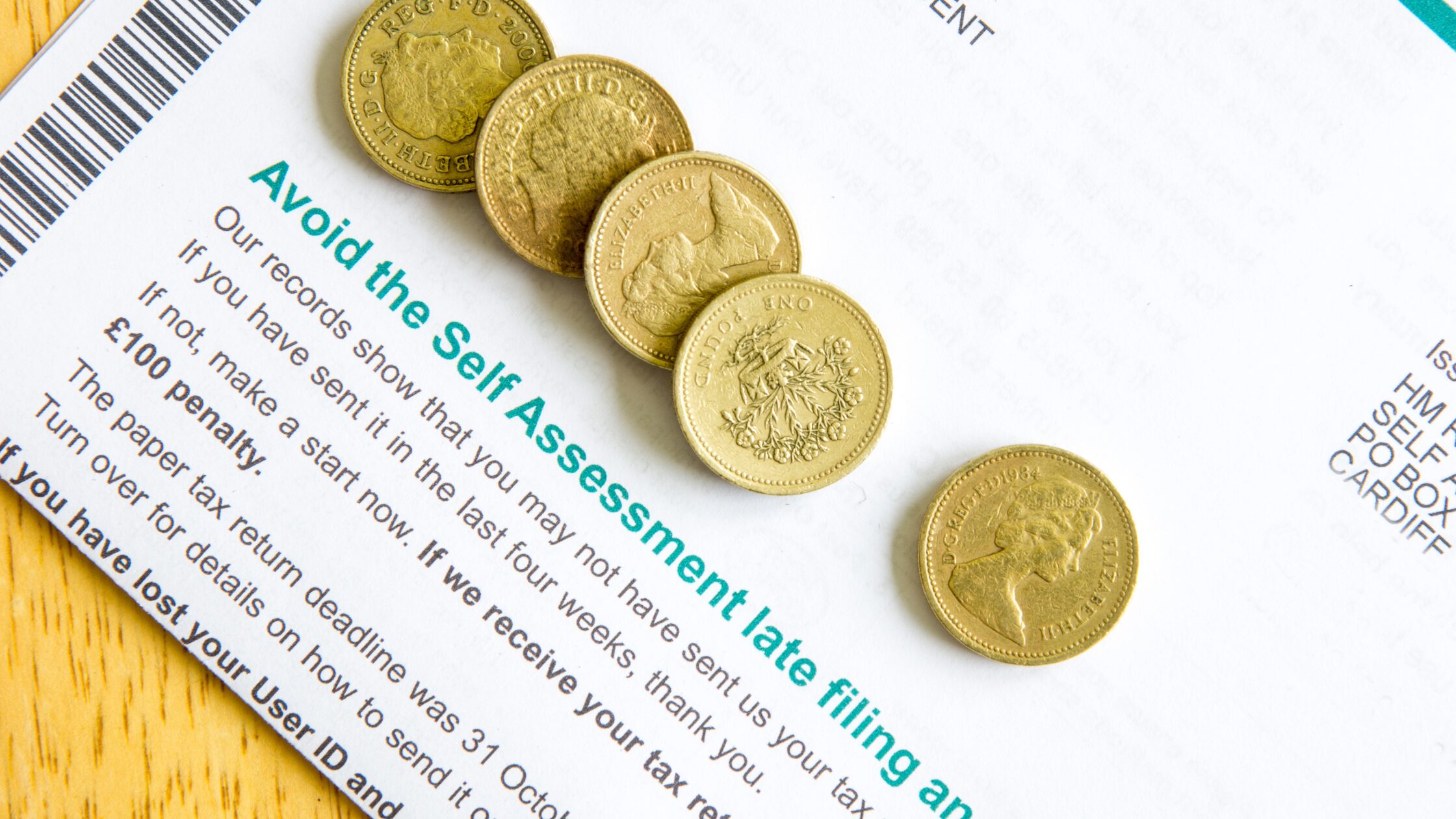
Missing the Self Assessment tax return deadline can happen more easily than you think,…
 Article
There has recently been an increase in trustees of established employee benefit trusts attempting…
 Article
For many individuals and business owners, tax planning is not a priority until March…
We’d love to hear from you!
Whether you simply have a quick question, or were seeking a more formal conversation to discuss your tax needs, drop your details here and we will be in touch! Alternatively, you can contact us on +44 (0)20 3468 0000.